A good local guide is licensed where the law requires it, reviewed by people who actually traveled with them, clear about the price and the plan, and asks about you before you book. Those four things hold in Kathmandu, Kyoto, Cusco or Rome. Here are eight checks that turn them into questions you can ask.
1. Find out whether a licence is required
Many countries and sites license guides, and some require one by law:
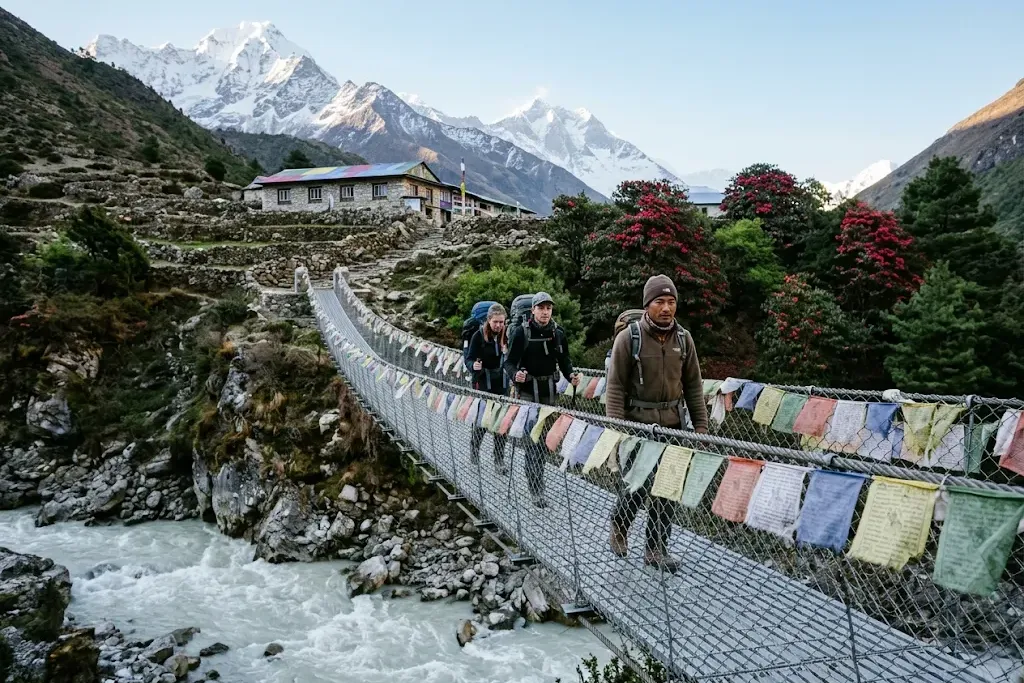
- Nepal: a licensed guide is required for foreigners on most trekking routes since April 2023.
- Morocco: official guides are licensed, and Toubkal can only be climbed with a licensed mountain guide.
- Italy: tourist guiding is a licensed profession.
- Peru: the Inca Trail can only be walked with a licensed operator.
- Japan: since 2018 anyone may guide for pay, but the national licensed guide interpreter qualification still exists.
Where a licence exists, ask to see it. A professional is glad to show it.
2. Read reviews from real trips
The most useful reviews come from people who took a trip, name the guide, and describe what happened, especially when something went wrong: a cancelled flight, a storm, a closed road. Five reviews like that are worth more than fifty one-line ones.
3. Talk before you book
A good guide asks questions first: your fitness, your interests, who's in your group, what you've already seen, any dietary or accessibility needs. If the first message you get back is a fixed price with no questions, you're probably getting a fixed tour.
4. Get the plan in writing
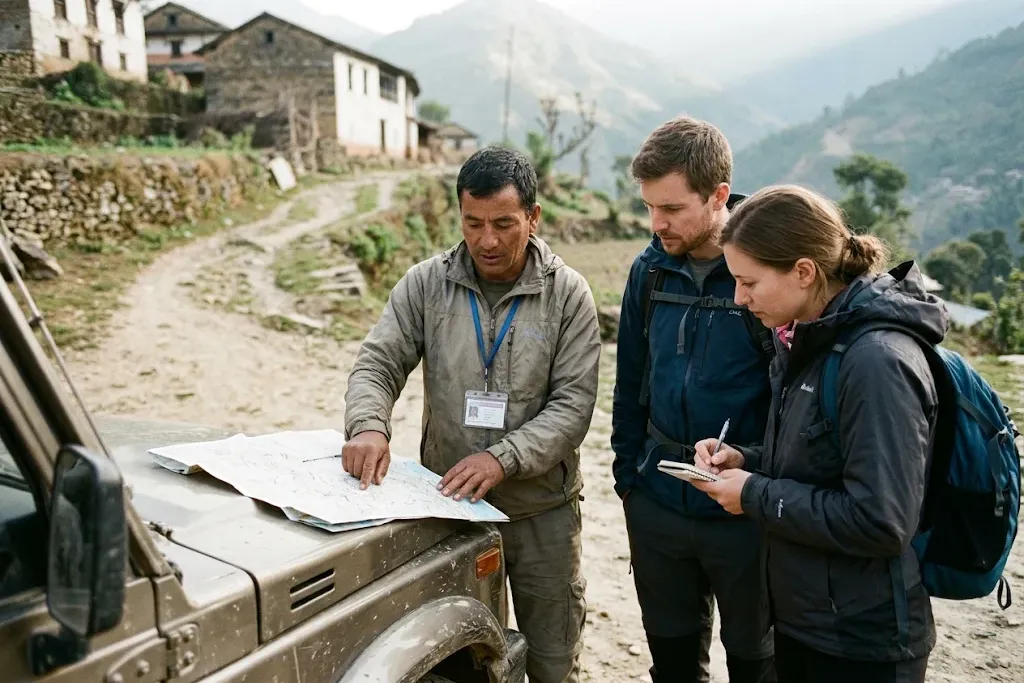
Ask for a day-by-day outline with meeting points, rough timings and how you'll get between places. It doesn't need to be rigid, but it should be clear enough that you'd notice if half of it disappeared.
5. Be clear on the price
Ask exactly what's included:
- Entry tickets and permits
- Transport and fuel
- Meals, for you and for the guide
- Accommodation on multi-day trips
- Porters, drivers or mules
Ask too how tips are usually handled where you're going, and how you'll pay.
6. Ask about safety
For treks and remote trips, ask what happens if someone gets sick or hurt: first aid training, how they'd call for help, and whether they carry insurance for themselves and their team. You still need your own travel insurance that covers the activity.
7. Check the language and the fit
Fluency matters more than the language listed on a profile. A short call or a few messages tell you whether you understand each other easily. Look for a guide who shares your interests (food, history, birds, photography) as well as your language.
8. Know what happens if plans change
Ask how changes and cancellations work, on both sides. Weather, strikes and road closures happen; a good guide already has a plan B and will tell you what it is.
How Triprant fits
On Triprant you message locals directly, ask for a custom trip and get a quote with the price, dates and what's included before you book. Reviews come only from completed trips, so every review is from someone who actually went.